

The Thrill of Uncertainty
One of the primary reasons people are drawn to casino gaming is the thrill that comes from uncertainty. The unpredictability of outcomes can trigger a rush of adrenaline, creating an exhilarating experience. When players place their bets, they enter a realm where anything can happen, and this unpredictability is fundamentally enticing. In this context, discovering various betting offers can add another layer of excitement to the gaming experience, transforming an ordinary moment into an extraordinary one.
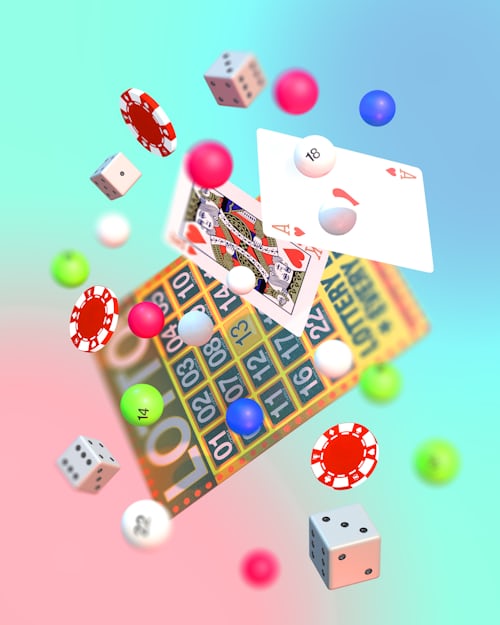
This thrill is deeply ingrained in human psychology. The brain releases dopamine, a neurotransmitter associated with pleasure, when we engage in activities that involve risk. This chemical reaction not only makes gambling enjoyable but also reinforces the desire to repeat the behavior, as players seek to relive that euphoric feeling. Understanding this psychological response helps explain why the allure of gambling remains strong across different demographics.
The Social Aspect of Gambling
Certainly, casino gaming is not just about individual thrill; it also encompasses a significant social element. Casinos often function as social hubs where friends and strangers gather. The atmosphere is charged with energy, laughter, and shared experiences, making it a place for connection. Many people enjoy the communal aspect of gambling, whether it’s cheering for a shared bet or engaging in conversation with fellow players.
This social interaction can amplify the enjoyment derived from gambling. When people feel connected to others, they are more likely to engage in risk-taking behaviors. The shared excitement can create memorable experiences that strengthen bonds among friends or foster new connections. In essence, the social dynamics of gambling contribute to its enduring popularity and appeal.
The Role of Cognitive Dissonance
An interesting aspect of gambling psychology is the concept of cognitive dissonance. Gamblers often experience a conflict between their rational thoughts and emotional instincts. For instance, after losing money, a player might rationalize their experience by focusing on the fun they had or the potential for future wins. This psychological defense mechanism allows individuals to cope with losses and continue gambling despite setbacks.
By engaging in cognitive dissonance, players can justify their decisions and maintain their interest in gaming. This rationalization can lead to the ‘gambler’s fallacy,’ where individuals believe that past events can influence future outcomes in games of chance. Such thinking perpetuates the cycle of gambling, as players hold onto hope and continue their pursuits, often against better judgment.
The Strategy and Skill Element
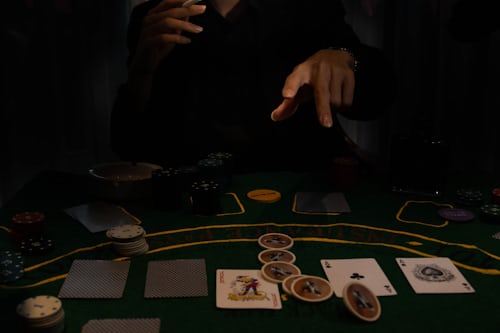
Another compelling factor in casino gaming lies in the perceived elements of strategy and skill. Many games, such as poker or blackjack, involve a significant degree of skill, where players believe that their decisions can influence the outcome. This belief that skill can lead to success empowers gamblers, often enhancing their enjoyment and commitment to the game.
For many, mastering a game provides a sense of achievement and fulfillment. The combination of luck and skill creates a dynamic experience that captivates players. Even when luck doesn’t favor them, the ability to employ strategy can make the game feel more engaging and less like a simple gamble, which attracts individuals who thrive on competition and challenge.
Exploring Our Website
As we delve into the fascinating world of casino gaming and the psychology behind it, our website aims to provide valuable insights and information on this topic. We recognize the complexities involved in the decision to gamble, and our content is designed to inform readers about the psychological factors that influence their experiences.
Whether you’re a casual gambler or deeply invested in understanding the nuances of gaming, our platform offers a wealth of information. We hope to guide you through the intricate psychology of gambling and equip you with the knowledge to navigate your gaming journey more effectively.
