

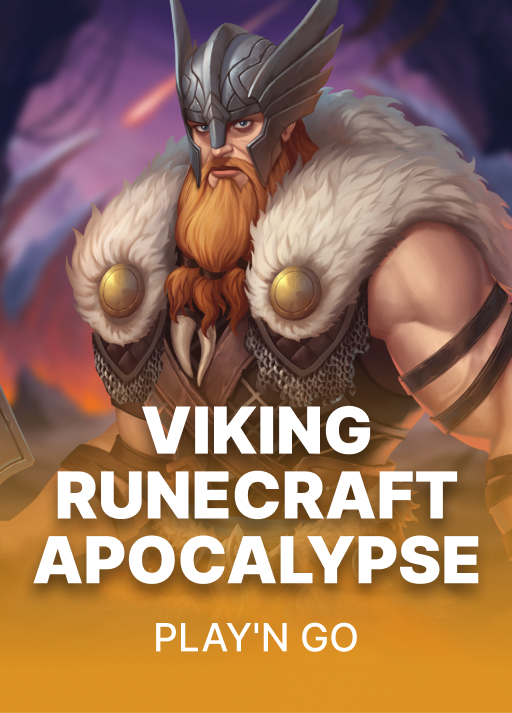
Viking Runecraft functions under the legal structure set by the UK Gambling Act 2005, demonstrating its commitment to adherence and ethical gaming practices. With strict age verification processes and routine audits by third-party bodies, the game demonstrates an adherence to high operational standards. Understanding these compliance protocols is essential, as they not only reinforce consumer trust but also shape the gaming environment in the UK. What other elements of Viking Runecraft’s regulatory position merit closer examination?
Overview of Viking Runecraft and Its Gameplay Mechanics
Although Viking Runecraft may seem to be merely a specialized activity within the broader domain of gaming, it occupies a notable place in both gameplay mechanics and cultural representation. This game intricately blends elements of tactics, chance, and ability, creating a unique player experience. Players participate in quests that demand the collection of resources, crafting runes, and battling mythical creatures, demanding a sharp understanding of their surroundings and decision-making tactics. The runecrafting process often involves a multi-faceted approach, where players must assess the potency of their ingredients and the timing of their actions. Consequently, mastery in Viking Runecraft depends on players’ ability to weigh risk and reward while immersing deeply with the detailed lore that drives the game’s narrative.
Comprehending the UK Gambling Act 2005
Understanding the UK Gambling Act 2005 is essential for assessing the legality surrounding activities like Viking Runecraft, particularly since the act provides a detailed regulatory system for gambling in the UK. Enacted to regulate not only classic gambling but also online gaming, this legislation highlights player protection, fair play, and the prevention of criminal activity. It explains key terms, including “gaming,” “betting,” and “lottery,” creating a unambiguous legal framework. The act also sets up licensing requirements for operators, demanding they operate clearly and responsibly. Additionally, it details structures for age verification and advertising standards, vital in ensuring that gambling activities are conducted fairly. On the whole, this act significantly affects the compliance environment for any gaming entity, including Viking Runecraft.
Role of the UK Gambling Commission in Online Gaming
The UK Gambling Commission plays an essential role in supervising online gaming, ensuring that all activities comply with the standards set forth by the Gambling Act 2005. Its responsibilities go beyond mere regulation, striving to nurture a safe and fair gambling environment.
Key functions include:
- Licensing Operators
- Protecting Consumers
- Enforcing Fairness
Through these vital roles, https://vikingrunecraft.eu, the UK Gambling Commission bolsters public trust in online gaming, affirming its commitment to integrity, safety, and fair play.
Current Compliance Measures Adopted by Viking Runecraft
To ensure compliance within the UK’s regulatory framework, Viking Runecraft has carried out a series of strong measures intended to align with industry standards and legal requirements. They’ve put in place sturdy age verification processes to ensure that all users meet the legal gambling age. Additionally, Viking Runecraft maintains transparent and responsible gaming practices, providing players with tools for self-exclusion and setting deposit limits. Regular audits conducted by independent agencies evaluate their adherence to technical standards and fair play protocols. Proper training for staff emphasizes the importance of compliance and customer protection. Moreover, the platform includes comprehensive data protection policies to safeguard user information, aligning with GDPR mandates. These measures collectively show Viking Runecraft’s commitment to ensuring a safe and compliant gaming environment in the UK.
Implications of Compliance for Players and Operators in the UK
Compliance measures embraced by operators like Viking Runecraft have significant implications for both players and the gaming industry in the UK. For players, these measures improve integrity, ensuring a fair play environment and nurturing trust in operators. For the industry, compliance isn’t just a checkbox; it molds the future landscape of gaming transparency and regulation. The implications can be summarized into three key points:
- Increased Player Protection
- Improved Operational Standards
- Sustainability of the Industry
These factors underpin a transformed relationship between players and operators, all pivoting towards a more responsible gaming culture in the UK.
Conclusion
To conclude, Viking Runecraft demonstrates a devotion to preserving the standards specified in the UK Gambling Act 2005. Its compliance to stringent age verification, responsible gaming tools, and routine independent audits not only complies with regulatory expectations but also cultivates player trust. The UK Gambling Commission’s supervision further improves transparency and accountability within the online gaming environment. For players and operators alike, this compliance system serves as a pillar for a safe and responsible gaming experience in the UK.
