

Cultural perspectives on gambling Understanding beliefs and behaviors across different societies
Understanding Gambling in Western Cultures
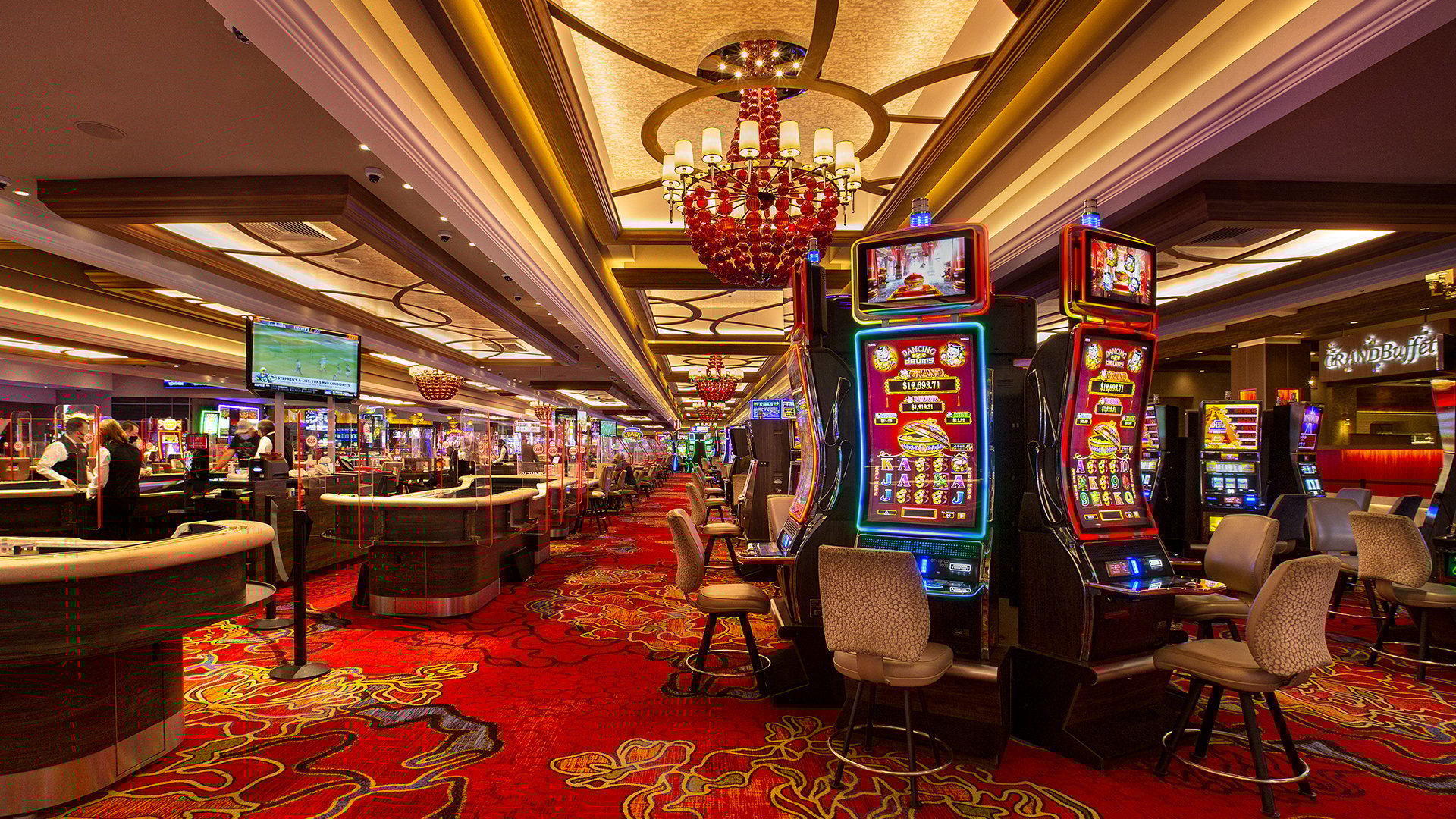
In many Western societies, gambling is often perceived as a form of entertainment rather than a vice. Countries like the United States and the United Kingdom have institutionalized gambling through various legal frameworks, allowing for a range of activities from state lotteries to lavish casinos. The underlying belief is that individuals have the freedom to make their own choices, including the choice to gamble. This perspective often normalizes gambling as part of social gatherings and celebrations, reducing its stigma. Players interested in exploring this online platform can find more information at https://lizarocasinos-uk.com/.

However, this acceptance does not negate the concerns surrounding gambling addiction and its social impacts. Many Western nations have implemented regulatory measures to promote responsible gambling, such as self-exclusion programs and informative campaigns. The belief in personal responsibility coexists with a growing understanding of the psychological risks associated with gambling, leading to calls for more robust protections for vulnerable individuals.
Interestingly, gambling behaviors can vary significantly within Western cultures based on socioeconomic status and geographical factors. For instance, urban centers may exhibit higher gambling participation rates compared to rural areas due to greater access to gambling venues. This disparity raises questions about how environment and culture shape one’s views on gambling, often resulting in complex social dynamics around the topic.
Gambling in Eastern Societies
In contrast, many Eastern societies have a more nuanced relationship with gambling, often intertwined with cultural traditions and beliefs. In countries like China, gambling has deep historical roots, with games such as Mahjong being a part of family gatherings and social interactions. However, the Chinese government’s crackdown on illegal gambling underscores a cultural tension between tradition and regulation. While gambling is embedded in social customs, concerns over morality and social order influence state policies.
Religious beliefs also play a significant role in shaping perspectives on gambling in Eastern cultures. In countries with strong Buddhist or Islamic influences, gambling is frequently viewed as a vice that can lead to moral decay. This results in restrictive laws and societal norms that discourage gambling behaviors. Conversely, in places like Macau, gambling is celebrated for its economic contributions, highlighting the duality present in Eastern attitudes toward gambling.
The coexistence of traditional values and modern economic interests creates a unique gambling landscape in Eastern societies. Local festivals often incorporate gambling elements, serving as a blend of entertainment and cultural expression. Yet, the increasing visibility of gambling’s negative effects has sparked discussions about the need for a balanced approach that honors traditions while protecting individuals from potential harm.
The Psychological Aspects of Gambling
The psychological underpinnings of gambling behaviors reveal a range of cultural beliefs that influence individual participation. Many gamblers experience a thrill or excitement that transcends mere financial incentives; it often ties into broader human experiences of hope, risk, and reward. In cultures that view gambling as a legitimate means of entertainment, the emotional highs associated with winning can reinforce positive attitudes toward gambling.
Conversely, in cultures where gambling is deemed unacceptable or risky, individuals may internalize negative beliefs about their gambling behaviors, leading to feelings of guilt and shame. The stigma surrounding gambling in certain societies may prevent individuals from seeking help for addiction or problematic gambling behaviors, highlighting the necessity for culturally sensitive support systems. Understanding these psychological factors is crucial for developing effective interventions and educational programs.
Furthermore, the advent of technology and online gambling has introduced new dimensions to these psychological aspects. The accessibility of online casinos can magnify the excitement of gambling while simultaneously increasing risks associated with addiction. As cultures evolve, the need to understand the psychological implications of gambling remains paramount, necessitating an ongoing dialogue about its role in modern society.
Gambling Regulations and Cultural Responses
Regulatory frameworks around gambling often reflect the cultural attitudes of a society. In liberal societies, there is typically a push toward legalization and regulation, with the belief that legal oversight can mitigate the risks associated with gambling. In these environments, governments view gambling as a potential source of revenue that can fund public services, leading to a structured approach to licensing and monitoring gambling operations.
In contrast, societies with conservative views on gambling often impose stringent regulations or outright bans. These restrictions are generally driven by a desire to uphold social norms and maintain moral standards. For instance, many Islamic countries enforce strict anti-gambling laws as part of their religious adherence, prioritizing community welfare over potential economic benefits. Such regulations often reflect deep-rooted cultural values that prioritize social stability.
The divergent approaches to gambling regulation highlight the intersection of culture, morality, and economics. It’s fascinating to see how different societies navigate the balance between personal freedom and collective responsibility. This interplay is crucial in shaping public attitudes towards gambling and fostering environments that either support or discourage gambling activities.
Lizaro Casino: A Modern Perspective
As an emerging player in the online gaming sector, Lizaro Casino reflects contemporary views on gambling while prioritizing user experience and responsible gaming. Launched in 2025, it offers British players a plethora of games that cater to a diverse audience. The casino’s extensive library, featuring over 10,000 games, illustrates the growing acceptance of online gambling and its integration into everyday life.
Lizaro Casino emphasizes secure transactions and 24/7 support, acknowledging the importance of safety in online gambling. The platform encourages responsible gaming practices, showcasing a commitment to safeguarding its users. This approach aligns with a broader cultural trend towards ensuring that gambling remains a form of entertainment rather than a source of distress.
In sum, the cultural perspectives on gambling are varied and complex, influenced by historical, psychological, and regulatory factors. Platforms like Lizaro Casino embody the evolving landscape of gambling, integrating entertainment with responsibility. This dual focus is essential in fostering a gaming environment that respects cultural sensitivities while providing a thrilling experience for players around the globe.
